
Last Updated on 6 months ago by Editor
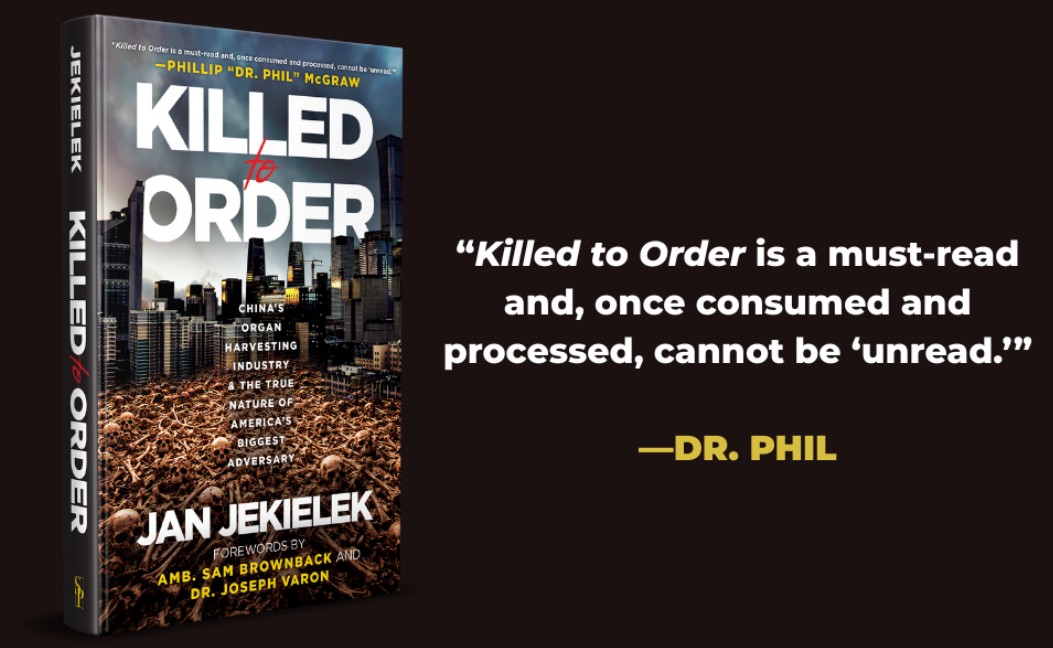
In an era of geopolitical tension and human rights concerns, few books cut as deeply into the darkness of authoritarian power as “Killed to Order: China’s Organ Harvesting Industry and the True Nature of America’s Biggest Adversary” by Jan Jekielek. Published on March 17, 2026, by Skyhorse Publishing, this New York Times bestseller delivers a meticulously researched, urgent wake-up call about one of the most horrifying crimes against humanity in the 21st century: the systematic, state-sanctioned forced organ harvesting from prisoners of conscience in China.
With 264 pages of compelling narrative, the book combines decades of investigative journalism, firsthand insights, and irrefutable evidence from reputable sources to expose how the Chinese Communist Party (CCP) has turned medicine into a tool of repression and profit.
Who Is Jan Jekielek? The Journalist Behind the Investigation
Jan Jekielek is a senior editor at The Epoch Times and the host of the acclaimed interview series “American Thought Leaders.” With a background spanning academia, international human rights work, and nearly two decades in media, Jekielek has interviewed hundreds of thought leaders and produced award-winning documentaries. His personal journey—including recovery from Guillain-Barré syndrome and a connection to Falun Gong practice—drove his two-decade investigation into China’s organ harvesting atrocities.
Jekielek distills complex research into an accessible, eye-opening narrative that challenges readers to rethink their understanding of the CCP. Forewords or contributions come from figures like Sam Brownback and Joseph Varon, adding weight to the book’s bipartisan and moral urgency.

What Is “Killed to Order” About? The Core Exposé
The title “Killed to Order” refers to the industrialized, on-demand nature of China’s organ transplant system. Unlike legitimate transplant programs worldwide that rely on voluntary donations and waiting lists, evidence shows China has built a “kill-to-order” model. Organs are harvested from living prisoners of conscience—often while they are still alive—matched to recipients, and transplanted with shocking speed (sometimes within days or even hours).

Key revelations in the book include:
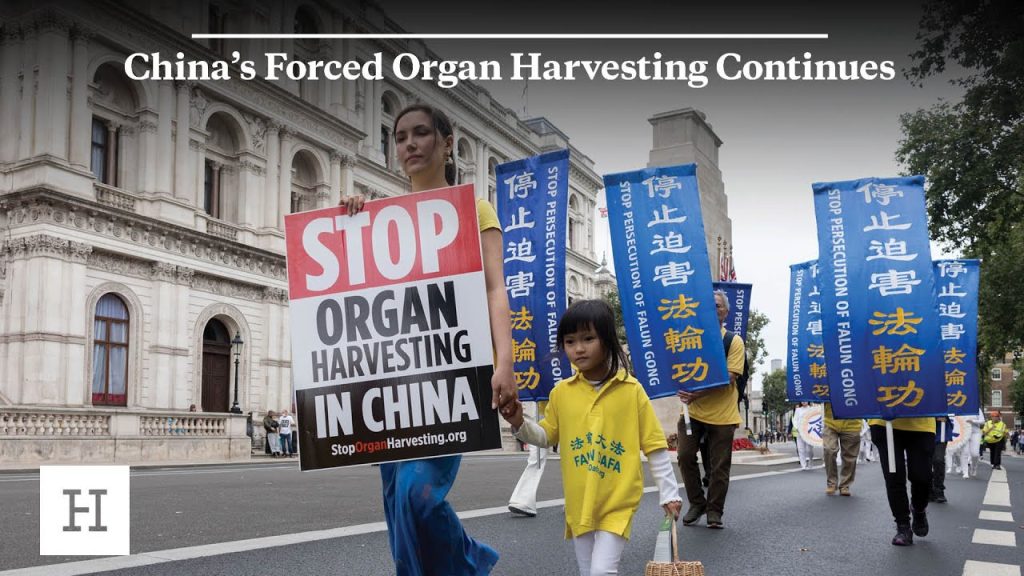
- Targeting of Falun Gong Practitioners: Since the CCP’s brutal persecution of Falun Gong began in 1999, practitioners of this peaceful spiritual discipline (once practiced by up to 100 million people in China) have been the primary victims. Detainees face blood tests, organ examinations, and eventual extrajudicial killing for their organs.
- Expansion to Other Groups: The system has broadened to include Uyghurs in Xinjiang re-education camps, Tibetans, house church Christians, and other “undesirables” labeled as enemies of the state.
- A Billion-Dollar Industry: China’s transplant centers, often linked to military hospitals and security services, perform transplants at volumes that defy official donation statistics. The book details how “transplant tourism” from wealthy foreigners has fueled the system, making the West complicit through ignorance or economic ties.
- Deception and Denial: The CCP has long denied these allegations, but mounting evidence—from investigative reports, whistleblowers, statistical anomalies in transplant data, and survivor testimonies—makes denial increasingly impossible.
Jekielek argues that forced organ harvesting is not an isolated abuse but a window into the CCP’s true nature: a regime built on deception, coercion, control, and the dehumanization of its own people. Understanding this atrocity is essential to grasping why the CCP poses an existential threat to global freedom and why naive engagement policies have failed.
“In China, among the Chinese super elites, they understand this is very real. In fact, they have unlimited access to organs on demand, right? That’s what the system facilitates for them. This is what the hot mic moment revealed,” he said, referring to a conversation between CCP leader Xi Jinping and Russian President Vladimir Putin that was caught on hot mic during a military parade event in Beijing on Sept. 3, 2025.
The book reads like a horror story—yet it is rigorously documented nonfiction. Reviewers note it is at times difficult to read due to the graphic subject matter, but impossible to put down or ignore.
Why “Killed to Order” Matters: A Call to Rethink Policy Toward China
Beyond the human rights horror, Jekielek makes a compelling case for broader strategic implications. Continuing to misunderstand or downplay the CCP’s actions—whether through economic dependency, technology transfers, or silence on atrocities—endangers democratic values worldwide.
The book highlights how the regime has normalized industrial-scale murder for profit, turning hospitals into execution sites and organs into commodities. It calls for accountability, stronger legislation (such as bipartisan efforts in the U.S. to combat transplant abuse), and a fundamental shift in how free societies engage with Beijing.
As one review puts it, “Killed to Order” is an urgent cry for justice about one of the largest crimes against humanity since World War II.
Who Should Read “Killed to Order”?
- Human rights advocates seeking documented evidence of ongoing genocide-like atrocities.
- Policymakers and national security experts needing deeper insight into the CCP’s threat.
- General readers interested in China, authoritarianism, medical ethics, or true-crime-style investigative journalism.
- Anyone concerned about global freedom and the moral costs of engagement with totalitarian regimes.
To have the United States recognize in a statute that forced organ harvesting is happening under the CCP could break any illusions the Chinese people may have about their regime, Jekielek said.
“For the Chinese people to realize that their government—in effect, this Communist Party that in a sense is a parasite on the government itself—is running this horror show on the backs of innocent people … it might even bring down the Communist Party,” he said.
The book is available in hardcover, ebook, and audiobook formats on platforms like Amazon, Barnes & Noble, Apple Books, and Google Play.
Final Thoughts: An Essential Read for Our Time
“Killed to Order” by Jan Jekielek is more than an exposé—it is a moral reckoning. By shining a light on China’s forced organ harvesting industry, Jekielek forces us to confront uncomfortable truths about power, complicity, and the fragility of human dignity under tyranny.
In a world where authoritarian regimes increasingly challenge the rules-based international order, this book serves as both a warning and a roadmap for resistance. It reminds us that silence in the face of such evil is not neutrality—it is complicity.
If you want to understand the real nature of America’s (and the free world’s) biggest strategic adversary, “Killed to Order” is essential reading. Pick up your copy today and join the growing chorus demanding an end to this modern atrocity.
Keywords for further exploration: China’s forced organ harvesting, Falun Gong persecution, CCP human rights abuses, transplant tourism China, Jan Jekielek American Thought Leaders.