
Last Updated on 12 months ago by Editor
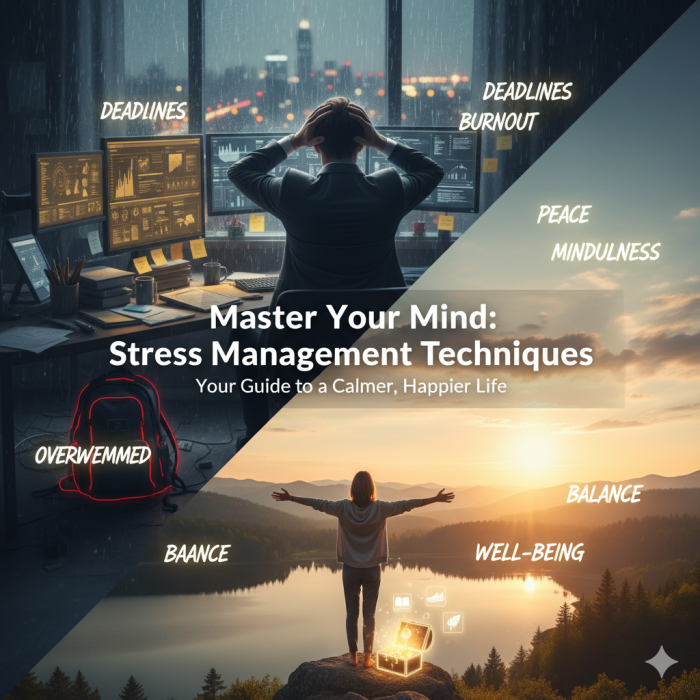
Stress is an unavoidable part of modern life. From demanding jobs and financial pressures to family responsibilities and global concerns, the “heavy backpack” of stress can become an overwhelming burden, impacting your physical health, mental well-being, and overall happiness.
However, stress doesn’t have to control you. By proactively implementing effective stress management techniques into your daily routine, you can build resilience, reduce your risk of stress-related health issues, and find greater peace and balance.
This detailed guide will explore proven strategies, from quick-relief tips to long-term lifestyle changes, to help you master your stress and take back control of your life.
What is Stress Management and Why is it Critical?
Stress management refers to the range of techniques and psychotherapies aimed at controlling a person’s level of stress, especially chronic stress, for the purpose of improving everyday functioning.
A low-to-moderate level of stress can be a motivator—keeping you focused and energized. But when stress is too intense or prolonged, it pushes you into a “yellow,” “orange,” or “red” zone of diminishing returns, leading to fatigue, anxiety, and burnout.
The Proven Benefits of Effective Stress Management
Mastering stress offers far-reaching positive impacts on your mind and body:
- Improved Physical Health: Reduced risk of heart disease, lower blood pressure, less muscle tension (fewer headaches/migraines), and a stronger immune system.
- Better Mental Health: Reduced symptoms of anxiety and depression, greater emotional regulation, and a more positive outlook on life.
- Enhanced Productivity and Focus: Improved executive functioning, the ability to concentrate, and sustained attention.
- Stronger Relationships: Less irritability and greater capacity for empathy and connection with others.9
- Quality Sleep: Stress reduction techniques, particularly before bed, directly lead to better sleep hygiene and restorative rest.
- Increased Self-Confidence and Resilience: The ability to cope effectively with challenges boosts self-worth and adaptability.
Category 1: Quick-Relief Stress Management Techniques (For Immediate Calm)
When tension spikes, you need fast-acting tools to calm your nervous system. These techniques can be done anywhere, in minutes:
1. Deep Breathing and Relaxation Exercises
Deep, intentional breathing is one of the most immediate ways to activate your parasympathetic nervous system (“rest and digest”) and counter the “fight or flight” response.
- The 4-7-8 Technique: Inhale deeply through your nose for a count of 4, hold your breath for a count of 7, and exhale completely through your mouth for a count of 8. Repeat this cycle 3-4 times.
- Mindful Breathing: Stop what you are doing, focus entirely on the sensation of your breath entering and leaving your body, and try to make your exhales longer than your inhales.
2. Practice Mindfulness
Mindfulness involves actively observing your present experiences, thoughts, and feelings without judgment.
- 5-Minute Focus: Devote five minutes to focusing on a single, simple activity, like mindfully drinking a cup of tea, walking, or just listening to the sounds around you. This quiets the ‘jumbled stream’ of thought causing stress.
- Body Scan: Briefly focus on different parts of your body, noticing any tension and intentionally relaxing those muscles (shoulders, jaw, forehead).
3. Seek a Moment of Social Connection
Stress releases the bonding hormone oxytocin, driving humans to connect. Reaching out to a trusted person can provide immediate emotional relief and perspective.
- Quick Check-In: Send a brief email or text to a supportive friend, or take a 5-minute break to chat with a colleague. Even one good listener can make a significant difference.
4. Use Laughter to Lighten the Load
Laughter is a powerful physical stress reliever. It fires up and then cools down your stress response, causing positive physical changes.
- Watch a short, funny clip, read a joke, or engage with someone who makes you smile.
Category 2: Lifestyle and Long-Term Stress Management Strategies
While quick fixes help in the moment, sustained stress reduction comes from incorporating healthy habits into your everyday life.
1. Prioritize Physical Activity
Almost any form of exercise acts as a powerful stress-buster by releasing feel-good endorphins and other natural neural chemicals that boost your sense of well-being.
- Regular Exercise: Aim for a brisk walk, a gym session, or a yoga class. Even a 15-minute daily commitment can enhance focus and promote better sleep.
- Mindful Movement: Practices like yoga and Falun Gong combine physical postures with focused breathing and meditation, offering dual benefits for body and mind.
2. Improve Time Management and Increase Perceived Control
Feeling overwhelmed often stems from competing demands. Organizing your tasks and regaining a sense of control are crucial for managing stress.
- Prioritize and Delegate: Use a to-do list to identify the most important tasks. Learn to delegate what you can and, importantly, learn to say “no” to new requests that would put your own needs second.
- Break Down Tasks: Large, stressful projects can be broken into smaller, manageable steps. Tracking progress through lists boosts your sense of perceived control, which research shows is key to resolving daily stressors.
- Set Boundaries: Establish clear work-life boundaries. This might mean turning off email notifications after a certain hour or not checking work messages during dinner.
3. Focus on Self-Care and Nutrition
What you put into your body and how you treat it directly affects your ability to cope with stress.
- Sleep Hygiene: Most adults need 7-9 hours of quality sleep. Stick to a regular sleep schedule, make your bedroom dark and cool, and avoid screens before bed.
- Healthy Diet: Stress can deplete essential vitamins (like B-complex, C, and E). Prioritize whole, unprocessed foods, fruits, vegetables, and lean proteins. Limit excessive caffeine, sugar, and alcohol, as these can exacerbate stress and anxiety.
- Make “Me Time”: Schedule time for hobbies and creative outlets (music, reading, painting). These non-work activities are vital for allowing your mind and body to recharge and return to a pre-stress level of functioning.
4. Reframe Your Thoughts and Expectations
The way you think about a situation plays a huge role in how stressed you feel.
- Challenge Negative Self-Talk: Learn to talk back to and stop negative thoughts. Replace self-criticism with understanding, as you would for a friend.
- Let Go of Perfectionism: Acknowledge that mistakes are human and opportunities for growth. Being more realistic with your expectations can significantly reduce self-imposed pressure.
- Practice Gratitude: Keep a journal to write down your thoughts and feelings, or simply record a few positive events or accomplishments from the day. This shifts your mental focus toward the positive.
Category 3: The Power of Social and Community Stress Relief
Emerging research suggests that channeling the energy of stress outward—by connecting with and helping others—is one of the most effective long-term strategies for well-being.
- Volunteering and Service: Engaging in simple acts of service, mentoring a colleague, or participating in charity work has been shown to boost a sense of belonging and purpose, buffering the effects of stress.
- Nurture Your Support Network: Actively foster relationships with people outside of your work. A strong social support network acts as a buffer against chronic stress.
When to Seek Professional Help
Stress is a normal part of life, but it can become overwhelming. If self-care measures and coping strategies aren’t relieving your stress, or if you feel consistently overwhelmed, trapped, or are experiencing symptoms of anxiety or depression, it is important to seek professional help.
Therapy or Counseling can provide a safe space and teach evidence-based techniques like Cognitive-Behavioral Therapy (CBT), which is proven to help you change your response to stressors and build stronger coping mechanisms.
Conclusion: Your Journey to a Calmer Life
Effective stress management is not about eliminating stress entirely—it’s about developing a proactive mindset and a toolkit of techniques that help you respond skillfully to life’s challenges.
By consistently applying these quick-relief and long-term strategies, you can minimize the negative impact of stress, cultivate emotional resilience, and unlock a healthier, more focused, and ultimately happier life. Start small, be consistent, and observe the transformative power of taking control of your well-being.