
Last Updated on 4 months ago by Editor
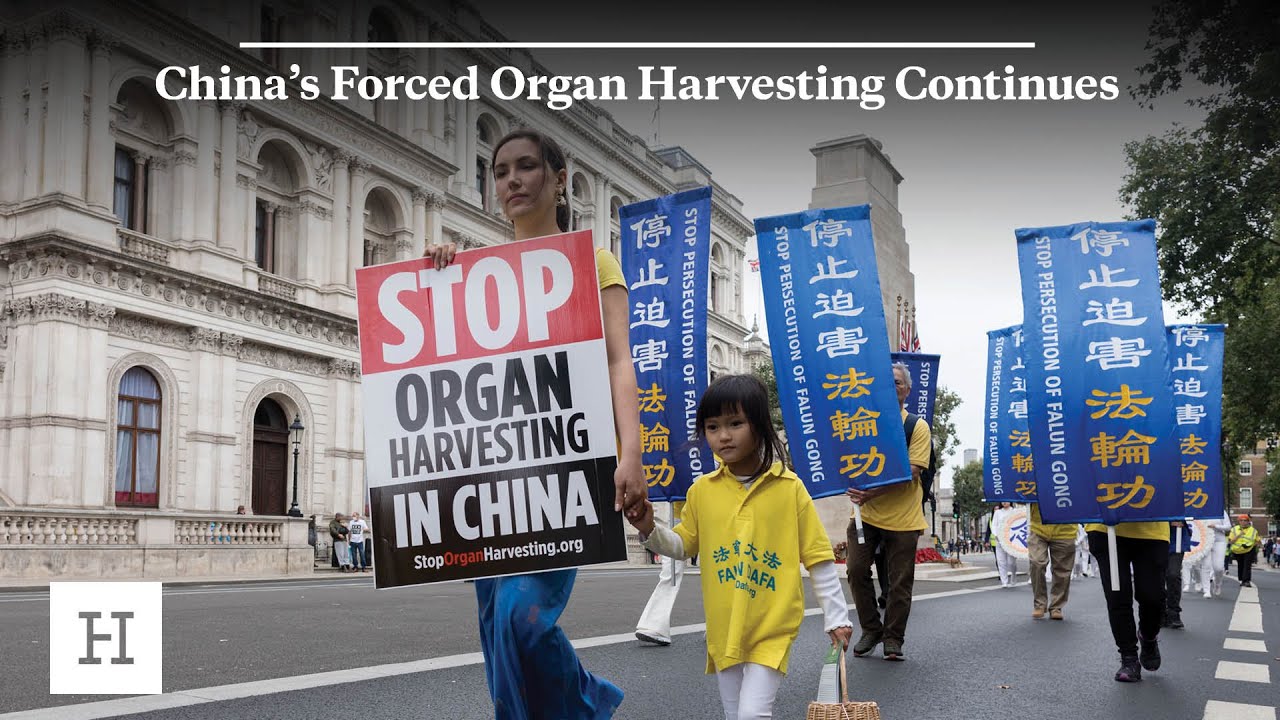
Forced organ harvesting is the removal of organs from a living person without their free, informed consent — typically resulting in that person’s death. It is distinct from organ trafficking in general, and from voluntary donation, in one essential way: the victim has no say in what happens to their own body.
The term sounds extreme because it is extreme. But it is not a fringe theory. It has been documented by investigators, adjudicated by an independent international tribunal, addressed by the United Nations, and legislated against by more than a dozen countries. Understanding what it is — precisely defined, clearly distinguished from related concepts, and grounded in documented cases — is the starting point for anyone trying to make sense of one of the most serious ongoing human rights issues of our time.
1. Definition: What Forced Organ Harvesting Actually Means
Forced organ harvesting is the non-consensual surgical removal of one or more organs from a living person, typically carried out for the purpose of selling those organs to paying transplant recipients. The defining element is the absence of free, informed, and explicit consent from the person whose organs are taken.
Several features typically accompany the practice:
- The victim is alive at the time of organ removal, because living-donor organs are medically superior to post-mortem organs
- The victim is killed during or shortly after the procedure
- The organs enter a commercial transplant system, often serving paying patients from other countries
- The crime is concealed through falsified death records, rapid cremation, or official cover
The World Health Organization’s Guiding Principles on Human Cell, Tissue and Organ Transplantation establish that organs may only be removed from living persons with their free, informed consent. Forced organ harvesting violates these principles completely.
Why the term matters. The word “harvesting” is used intentionally to capture the industrial, systematic nature of the practice — not isolated incidents of organ theft, but an organized supply chain in which human beings are treated as biological resources.
2. How It Differs from Organ Trafficking and Organ Donation
These three terms are related but distinct.
Voluntary organ donation is the act of freely consenting — either in advance (for post-mortem donation) or as a living donor — to give one or more organs to another person. Consent is the fundamental legal and ethical requirement. All major medical bodies, including the WHO, require that donation be voluntary, unpaid, and free of coercion.
Organ trafficking is the broader criminal category: the illegal trade in human organs. It includes recruiting or deceiving living donors into selling organs, corruption of transplant waiting lists, brokering illegal transactions, and cross-border organ trade. Organ trafficking can occur without the source person being killed — for example, a person coerced into selling a kidney may survive.
Forced organ harvesting is the most severe subset of organ trafficking. What distinguishes it is the systematic, non-consensual removal of multiple organs from prisoners or detainees — a process that kills the victim. The scale can be industrial. In the most documented case — China — investigators estimated tens of thousands of victims annually.
3. Who Are the Victims?
Forced organ harvesting targets people who share one characteristic above all others: they are held in state custody with no practical ability to seek legal protection or draw outside attention to their situation.
Across documented cases, victim populations have included:
Prisoners of conscience — people imprisoned not for crimes but for their beliefs, religion, or ethnicity. Their detention is often extrajudicial or based on vague charges that serve as pretexts. Because they may refuse to provide their identities (to protect family members), they can effectively become “paperless” — unrecorded prisoners with no family advocates.
Religious and ethnic minorities — in China specifically, the primary documented victims are Falun Gong practitioners, followed by Uyghur Muslims, Tibetan Buddhists, and house church Christians. In Kosovo, the victims in the early 2000s were ethnic Serbs and some Albanians held by KLA-affiliated groups.
People in extreme poverty — in lower-intensity forms of organ trafficking (which blur into forced harvesting), desperate economic circumstances are exploited. People are deceived about medical risks, paid less than promised, or coerced into procedures against their genuine wishes.
Refugees and stateless persons — individuals without legal status in a country have limited recourse to legal protection and may not be reported as missing.
The common thread is structural vulnerability: these are people the system does not protect, and in the most severe cases, the system is actively perpetrating the crime against them.
4. How Does It Happen? The Process
The operational mechanics of forced organ harvesting — based on accumulated testimony, investigative reports, and legal proceedings — follow a recognizable pattern.
Victims in state detention undergo systematic medical screening: blood typing, tissue compatibility testing, organ function assessments, and cardiac evaluations. Former detainees consistently report that these tests were performed on them and on no other prisoner populations, and were not explained as related to their own health care. These are precisely the tests required to build an organ-matching database.
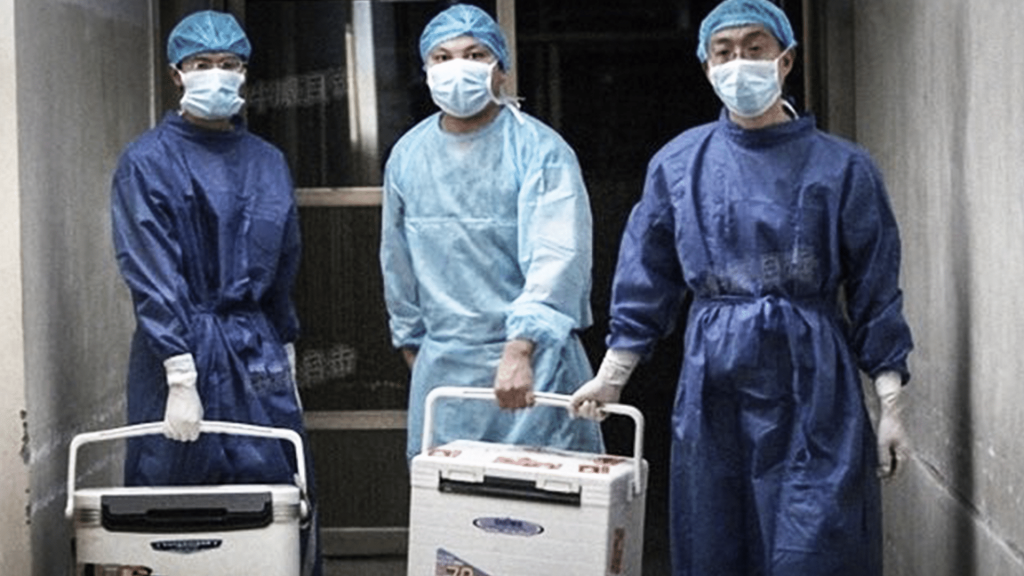
When a compatible paying recipient is identified — often a wealthy patient in China or an international “transplant tourist” — the prisoner is prepared for surgery. The organs are removed while the person is still alive, as this maximizes organ viability. The prisoner dies during or after the procedure. Death is recorded under a different cause. Cremation typically follows quickly.
The scale at which this operates in the Chinese case distinguishes it from individual acts of criminal violence. It requires hospital infrastructure, surgical teams, organ transport logistics, transplant coordination, and patient intake systems — an organized industrial process.
For a detailed examination of the specific process, evidence base, and investigative reports focused on China, see: Falun Gong Organ Harvesting: Evidence, Reports & International Response
5. Documented Cases Around the World
Forced organ harvesting is most extensively documented in China, but evidence of the practice — at varying scales — has emerged elsewhere.
Kosovo (1999–2000)
In December 2010, the Parliamentary Assembly of the Council of Europe published a report by Swiss investigator Dick Marty — “Inhuman Treatment of People and Illicit Trafficking in Human Organs in Kosovo” — alleging that a criminal network linked to the Kosovo Liberation Army (KLA) had killed ethnic Serb and Albanian prisoners after the 1999 war and removed their kidneys for sale. The report named KLA leader and later Kosovo Prime Minister Hashim Thaçi as connected to this network.
The Council of Europe’s Parliamentary Assembly adopted the report in January 2011, calling for international investigation. This led to the creation of the EU Special Investigative Task Force and ultimately the Kosovo Specialist Chambers — a Hague-based war crimes court established in 2015. The court has indicted Thaçi and other KLA leaders on multiple war crimes charges. The organ harvesting allegations themselves proved harder to substantiate with direct evidence, though the broader pattern of killings and prisoner abuse has been judicially addressed.
The Kosovo case is significant as one of the few instances where organ harvesting allegations involving non-Chinese actors have been formally investigated by an international body.
Egypt and the Middle East
Organ trafficking networks operating in Egypt, Syria, and other parts of the Middle East have been documented by the UN Office on Drugs and Crime (UNODC) and investigative journalists. These cases more typically involve deceptive recruitment of living donors from impoverished populations rather than the state-organized killing documented in China — but they represent the overlap zone between organ trafficking and coerced donation that can shade into forced harvesting.
Global Trafficking Networks
The UNODC’s Global Report on Trafficking in Persons consistently identifies organ trafficking as a significant concern across multiple regions. While most documented cases involve economic exploitation rather than killing, the underlying condition — treating human beings as biological resources to be harvested — connects them to the more severe forms of the crime.
6. The China Case: The Largest Documented Instance
China represents the most extensively investigated and most authoritatively adjudicated case of forced organ harvesting in history.
The practice is alleged to have emerged following the Chinese Communist Party’s ban on Falun Gong in 1999, which created a large population of detainees held in prisons, labor camps, and reeducation centers — many of whom refused to identify themselves. Independent investigators — including former Canadian Secretary of State David Kilgour, human rights lawyer David Matas, and journalist Ethan Gutmann — documented the practice over more than a decade in reports culminating in the 2016 Bloody Harvest / The Slaughter: An Update.
In June 2019, the independent China Tribunal, chaired by Sir Geoffrey Nice QC (prosecutor of Slobodan Milošević at The Hague), concluded after twelve months of hearings that forced organ harvesting had been committed on a significant scale in China for years, that Falun Gong practitioners were the primary source of organs, and that these acts constituted crimes against humanity.
For the full evidence base, timeline of investigations, statistical analysis, and international legislative response specific to China, see the dedicated article: Falun Gong Organ Harvesting: Evidence, Reports & International Response
7. International Legal Framework
Forced organ harvesting violates multiple layers of international law, even in the absence of a single treaty dedicated specifically to it.
United Nations Instruments
The UN Palermo Protocol (2000) — the Protocol to Prevent, Suppress and Punish Trafficking in Persons — explicitly covers trafficking for organ removal as a form of human trafficking. It requires signatory states to criminalize the practice and protect victims.
UN General Assembly Resolution 71/33 (2017) specifically addressed organ donation and transplantation to prevent and combat trafficking in persons for the purpose of organ removal.
UN Special Rapporteurs on Torture, on Freedom of Religion or Belief, and on Trafficking in Persons have all raised concerns in their reports about forced organ harvesting — particularly regarding China.
WHO Guiding Principles (2010)
The WHO Guiding Principles on Human Cell, Tissue and Organ Transplantation, endorsed by the World Health Assembly in Resolution WHA63.22 in May 2010, establish that:
- Organs may only be removed from living persons with their free, informed, and voluntary consent
- Organs must not be the subject of financial transactions
- Trafficking in persons for the purpose of organ removal must be prohibited
Declaration of Istanbul (2008, revised 2018)
The Declaration of Istanbul on Organ Trafficking and Transplant Tourism, first adopted in 2008 by The Transplantation Society and the International Society of Nephrology and updated in 2018, sets out 11 principles for governments and medical professionals. These include criminalizing organ trafficking, discouraging transplant tourism, and ensuring transparency in donation systems. It has been endorsed by hundreds of national and international medical societies.
Rome Statute — Crimes Against Humanity
The China Tribunal’s 2019 judgment found that forced organ harvesting in China met the definition of crimes against humanity under Article 7 of the Rome Statute of the International Criminal Court — specifically illegal detention, torture, and killing of prisoners of conscience.
8. Country-by-Country Legislation
More than a dozen countries have enacted specific legislation targeting organ trafficking, forced organ harvesting, and transplant tourism. The pace has accelerated significantly since 2020.
Israel (2008) — Passed the Organ Transplant Act prohibiting the sale, purchase, and brokerage of organs both domestically and abroad, including banning insurance reimbursement for transplants performed overseas that would violate Israeli law. In the years following, transplant tourism from Israel to China reportedly ceased almost entirely.
Spain (2010) — Amended its criminal code to impose prison sentences for those who promote or facilitate illegal organ procurement or trafficking, including operations conducted abroad.
Taiwan (2015) — Amended the Human Organ Transplantation Act to ban organ brokerage both within and outside Taiwan regardless of foreign laws, require legal proof of the organ source for any transplant performed abroad, and impose up to five years imprisonment and NT$1.5 million fines for violations.
South Korea, Belgium, Norway, Italy — All passed legislation restricting organ trafficking and transplant tourism, with varying enforcement mechanisms.
Canada (2022) — Bill S-223 criminalized cross-border organ trafficking, prohibiting Canadian citizens from participating in non-consensual organ transplants abroad and barring involved individuals from entry into Canada.
United Kingdom (2022, 2024) — The Human Tissue Act was amended in 2022 to ban organ buying and selling globally, with up to seven years imprisonment for trafficking. A 2024 amendment mandated that transplant nurses report suspected cases of transplant tourism to authorities.
United States (2023–2025) — Arizona became the first U.S. state to enact a law (effective September 2023) prohibiting health insurers from covering transplant surgeries performed in China or in countries known to have participated in forced organ harvesting. Similar state-level laws followed. At the federal level, the Falun Gong Protection Act passed the U.S. House of Representatives unanimously in both June 2024 and May 2025; it remained pending in the Senate as of June 2026. See: The Falun Gong Protection Act.
The China Organ Harvest Research Center maintains a current database of national legislation on this issue.
9. The Role of Transplant Tourism
Forced organ harvesting would not be economically viable without paying recipients. Transplant tourism — traveling abroad to receive an organ transplant, often in a country where organs are available in days rather than years — is the demand side of the forced harvesting supply chain.
In countries with voluntary donation systems, patients wait years for compatible organs. In China, hospitals have advertised wait times of one to two weeks — a timeline that is only possible if organs are sourced from people killed on demand rather than from voluntary deceased donors, where availability cannot be predicted or scheduled.
The Declaration of Istanbul distinguishes between “travel for transplantation” (acceptable, where a patient travels to receive a transplant arranged ethically) and “transplant tourism” (unacceptable, where travel is motivated by bypassing ethical and legal standards). The concern is not that patients seek transplants abroad per se, but that some destinations cannot guarantee ethical organ sourcing.
Physicians and patients should be aware that receiving a transplant in a country where forced organ harvesting is documented may make them indirect beneficiaries of a killing. Multiple national medical societies have issued guidance on this risk.
10. What Medical Professionals and Patients Should Know
For patients considering transplant abroad: Ask the hospital or broker to provide legally verifiable documentation of the donor’s identity and cause of death, proof that donation was voluntary and unpaid, and confirmation that the donor was not a prisoner or detainee. If this documentation cannot be provided, do not proceed. Beyond the ethical dimension, patients who receive transplants from unethical sources may face legal consequences in their home countries under the legislation described above.
For doctors and surgeons: Publishing research, attending conferences, or entering collaborative agreements with transplant programs in countries where forced organ harvesting has been documented is an increasingly contested ethical question. The Lancet and other journals have discussed the responsibilities of the international medical community in this regard. The Declaration of Istanbul and WHO Guiding Principles provide professional standards.
For medical institutions: Patient records should document whether patients have received organ transplants abroad, and the stated source of any organs. Several countries now require this reporting.
Organizations working on this issue:
- Doctors Against Forced Organ Harvesting (DAFOH) — medical advocacy organization
- End Transplant Abuse in China (ETAC) — international coalition
- China Organ Harvest Research Center — research and legislation tracking
11. How to Help
As a citizen: Contact your national representatives to support legislation addressing forced organ harvesting and transplant tourism. If your country has not yet enacted such legislation, advocate for it.
As a medical professional: Familiarize yourself with your professional society’s guidelines on transplant tourism. Decline to collaborate with institutions that cannot demonstrate ethical organ sourcing.
As a patient: If you or a family member faces a long transplant wait, ensure that any international options you consider can meet the transparency requirements above. Never use brokers who cannot provide verifiable documentation.
As a donor: Register as an organ donor in your home country. Increasing domestic supply reduces the economic incentive for transplant tourism.
FAQ
What is the difference between forced organ harvesting and organ trafficking?
Organ trafficking is the broader criminal category covering the illegal trade in human organs, including buying and selling kidneys from coerced living donors. Forced organ harvesting is a specific subset in which organs are taken from detained prisoners without any consent whatsoever, and the procedure typically kills the victim. Forced organ harvesting always involves organ trafficking, but organ trafficking does not always involve forced harvesting.
Is forced organ harvesting the same as the black market organ trade?
Not exactly. The black market organ trade typically involves transactions between consenting (if economically desperate) parties. Forced organ harvesting involves no transaction with the victim — they are killed. The buyers may be entirely unaware of the source of the organ they receive.
Where does forced organ harvesting take place?
The most extensively documented and authoritatively adjudicated case is China, where an independent international tribunal concluded in 2019 that the practice had occurred on a significant scale for years, primarily targeting Falun Gong practitioners. Allegations also emerged from Kosovo after the 1999 war, and lower-level organ trafficking overlapping with coerced harvesting has been documented in multiple regions.
Is it legal to receive an organ transplant in China?
It is not illegal under international law for an individual to receive a transplant in China. However, more than a dozen countries have enacted domestic laws that may make it illegal for their citizens to do so under certain conditions — particularly if the organ cannot be traced to a voluntary donor. Legal risks vary by country; consult the legislation database at chinaorganharvest.org.
What is the Declaration of Istanbul?
The Declaration of Istanbul on Organ Trafficking and Transplant Tourism, adopted in 2008 and revised in 2018, is the primary international professional standard governing ethical organ donation and transplantation. It has been endorsed by hundreds of medical societies worldwide and sets out 11 principles prohibiting trafficking, commercialism, and transplant tourism.
What can ordinary people do about forced organ harvesting?
Support domestic legislation, refuse to use transplant tourism services in countries where forced harvesting is documented, raise awareness, and donate to medical advocacy organizations such as DAFOH.
Conclusion
Forced organ harvesting is not a rumor or a propaganda claim. It is a documented, adjudicated, and internationally legislated crime — a form of human trafficking that ends in killing, driven by the global demand for transplantable organs and enabled by state or quasi-state detention systems that create captive populations of vulnerable people.
Understanding what it is — precisely, not sensationally — is the foundation for the legal, legislative, and medical responses that are gradually taking shape around the world. Over a dozen countries have enacted laws. An international tribunal has delivered a judgment. The U.S. Congress has passed legislation unanimously, twice. What remains is consistent enforcement, international coordination, and the political will to treat this crime with the same seriousness applied to other documented crimes against humanity.
Related Articles
- Falun Gong Organ Harvesting: Evidence, Reports & International Response ← The specific case of China and Falun Gong, with full evidence and investigative reports
- What is Falun Gong? 10 things you need to know
- Why is Falun Gong Banned in China?
- The Falun Gong Protection Act
Video: Lone Survivor: Escaping China’s Forced Organ Harvesting, IRF Summit 2025