
Last Updated on 4 months ago by Editor
Quick answer: To meditate as a beginner, sit comfortably, close your eyes, and focus your attention on your breath. When your mind wanders — and it will — gently bring your attention back. Start with just 5–10 minutes a day. That simple cycle of focusing, drifting, and returning is the practice.
What is meditation?
Meditation is a practice of training attention and awareness to reach a calm, stable, and clear mental state. It is not about forcing your mind to go blank or stopping every thought. Instead, you choose something to focus on — most often your breath — and gently return to it whenever your attention drifts. Over time, this trains your mind to settle more easily.
How to meditate in 7 simple steps
Here is a complete beginner routine you can follow today:
- Find a quiet space. Choose somewhere you won’t be interrupted for a few minutes.
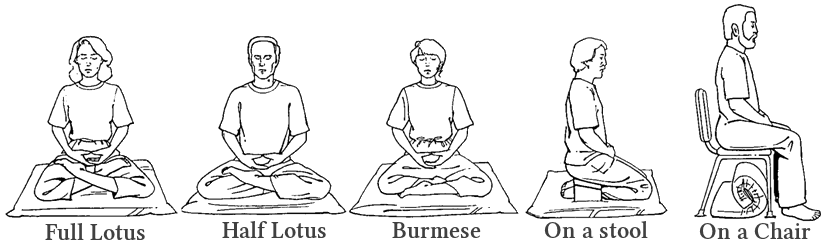
- Choose your posture. Sit upright in a chair or cross-legged on a cushion, spine straight but relaxed.
- Set a timer. Start with 5–10 minutes so you are not checking the clock.
- Close your eyes gently. Let your shoulders drop and your hands rest on your knees or lap.
- Focus on your breath. Notice the natural sensation of breathing in and out. Don’t control it — just observe it.
- Notice when your mind wanders. The moment you realize you’re thinking about something else, that’s awareness — a success, not a failure.
- End slowly. When the timer sounds, open your eyes gradually and take a moment before standing up.
That’s the entire practice. Everything else is just refinement of these basics.
How long should a beginner meditate?
Start with 5 to 10 minutes a day. A short session you do consistently is far more valuable than a long one you do occasionally. As the habit becomes comfortable, you can gradually extend toward 15–20 minutes. For a full breakdown by experience level, see our guide on how long you should meditate.
Common beginner mistakes (and how to avoid them)
- Expecting a blank mind. A wandering mind is normal. Noticing the wandering and returning is the actual exercise.
- Setting sessions too long. Ambitious 30-minute goals lead to frustration. Start small.
- Being harsh with yourself. Meditation is practice, not performance. Gentleness works better than discipline here.
- Forcing an uncomfortable posture. If your legs go numb or hurt, change position. See why your legs fall asleep during meditation.
- Giving up too soon. Benefits build over weeks of regular practice, not in a single session.
What does science say about meditation?
Research on meditation has grown substantially. A widely cited review published in JAMA Internal Medicine analyzed dozens of trials and found that structured meditation programs produced small-to-moderate improvements in psychological stress, including anxiety, depression, and mood, across diverse groups of adults. The U.S. National Center for Complementary and Integrative Health similarly notes that meditation and mindfulness practices may help with stress, anxiety, and overall well-being.
These are meaningful, measured benefits rather than miracle cures. Meditation is best understood as a supportive practice for mental well-being, not a replacement for medical care.
Different types of meditation to explore
Once you’re comfortable with the basics, you can explore different styles:
Breath-focused meditation
The most common starting point: you simply rest your attention on the sensation of breathing. It is simple, portable, and requires nothing but your attention.
Tranquil sitting meditation
Many traditions include a still, seated meditation aimed at deep calm and inner stillness. The fifth exercise of the Falun Dafa practice, for example, is a tranquil sitting meditation. If you’d like to refine your seated posture, our guide to meditation sitting positions compares chair, Burmese, and lotus options.
Moving meditation
Meditation doesn’t have to be still. Practices such as qigong, tai chi, and walking meditation cultivate the same calm, focused awareness while the body moves gently — a good option for people who find sitting still difficult at first.
Frequently asked questions
Can I meditate lying down?
Yes, though sitting upright is usually better for staying alert — lying down makes many beginners drowsy. If a health condition makes sitting difficult, lying down is a fine alternative; just aim to stay awake and aware.
Should I meditate with music?
You can. Quiet, calming sounds or guided audio can help beginners settle. As you progress, many people prefer silence so they can observe the mind more directly. Either is valid — use what helps you keep practicing.
What should I think about while meditating?
You’re not trying to think about anything in particular — or to stop thinking entirely. Rest your attention on your chosen anchor, usually the breath. When thoughts arise, notice them without judgment and gently return your focus. That returning is the heart of the practice.
What is the best time of day to meditate?
The best time is whenever you can do it consistently. Morning meditation sets a calm tone for the day, while evening practice helps you unwind. For a fuller comparison, see our guide on the best time to meditate and our routine for meditation before bed.
Keep going: explore how long to meditate, the right sitting position for you, the best time to meditate, what to do about legs falling asleep, and a calming bedtime meditation routine.
This article is for informational purposes only and is not a substitute for professional medical advice, diagnosis, or treatment. If you have a physical or mental health condition, please consult a qualified healthcare provider before beginning a meditation practice.